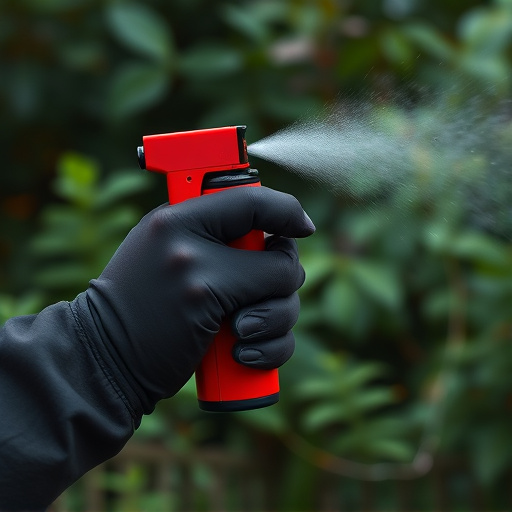
Pepper spray, a non-lethal self-defense tool, temporarily incapacitates attackers through capsaicin mist, causing pain and irritation. After exposure, move to a well-ventilated area, sit or lean forward, and apply damp cloth pressure on affected areas for respiratory relief. These methods mitigate symptoms lasting 10 minutes to an hour. As we enter 2026, the landscape of non-lethal self-defense tools is evolving rapidly. One notable trend is the development of advanced pepper spray formulations that offer improved accuracy and reduced environmental impact. Additionally, new techniques in respiratory relief are being integrated into training programs, emphasizing the importance of quick, effective, and safe de-escalation methods. The integration of AI and smart devices also plays a significant role, with apps providing real-time guidance on spray application and emergency services connectivity. These advancements underscore the continuous effort to empower individuals while ensuring their safety. Master Pepper Spray Respiratory Relief for Defense Pepper spray's ability to disrupt an assailant's breathing creates a crucial window of opportunity for escape or intervention. Proper training in pepper spray respiratory relief methods is vital for personal safety, empowering individuals to protect themselves legally and effectively in various environments.
"Discover the power and potential of non-lethal self-defense tools, specifically focusing on pepper spray and its role in providing respiratory relief. This comprehensive guide explores various non-lethal options available for personal safety. We delve into the science behind pepper spray, its effects on the body, and effective application techniques.
Additionally, we shed light on legal considerations and essential safety precautions, ensuring readers are equipped with knowledge to make informed choices for their protection."
- Understanding Pepper Spray and Its Effects
- The Role of Respiratory Relief Methods
- Non-Lethal Tools: An Overview
- Effective Application Techniques
- Legal Considerations and Safety Precautions
Understanding Pepper Spray and Its Effects
Pepper spray, a non-lethal inflammatory self-defense tool, is designed to temporarily incapacitate an attacker by causing localized pain and irritation. When deployed, it releases a fine aerosol mist containing capsaicin, the compound responsible for the heat and irritation associated with chili peppers. This irritates the eyes, nose, throat, and skin, leading to temporary blindness, difficulty breathing, and intense discomfort.
Understanding how pepper spray affects the respiratory system is crucial for those looking to use it for self-defense. Inhaling the spray can cause rapid coughing, shortness of breath, and even chest tightness. Respiratory relief methods include moving to a well-ventilated area, sitting or leaning forward to reduce the spray's impact on the lungs, and applying pressure to the affected areas with a damp cloth. These steps can help mitigate the effects of pepper spray until the symptoms subside, typically lasting between 10 minutes to an hour.
The Role of Respiratory Relief Methods
In any self-defense scenario, being able to control and manage an assailant's breathing can provide a crucial window of opportunity for escape or further intervention. Pepper spray, as a non-lethal inflammatory tool, plays a significant role in this regard due to its unique effect on the respiratory system. When deployed correctly, pepper spray irritates the eyes and nasal passages, leading to temporary blindness and severe coughing fits. This immediate respiratory relief allows individuals to create distance from their attacker, providing precious time to assess the situation or call for help.
The effectiveness of pepper spray respiratory relief methods lies in its ability to disrupt an assailant's balance and coordination while also impairing their ability to engage in relentless attacks. The coughing and tearing caused by pepper spray can disorient an attacker, giving the defender a chance to react and defend themselves or flee. Moreover, these simple yet powerful techniques are easy to learn and can be employed instinctively during emergency situations, making them valuable tools for personal safety and self-defense.
Non-Lethal Tools: An Overview
In today's world, personal safety is a paramount concern, leading many individuals to explore various self-defense options. Non-lethal tools offer an effective and legal alternative to conventional weapons, especially in situations where stopping an attacker without causing permanent harm is crucial. Among these tools, pepper spray stands out as a popular choice due to its ease of use and rapid effect. It's not just about physical deterrence; respiratory relief methods like pepper spray provide users with valuable time to escape potentially dangerous scenarios.
Pepper spray, when deployed, irritates the eyes and respiratory tract, temporarily disabling an attacker. This gives individuals precious seconds or even minutes to get away to a safe location. With proper training, people can learn how to maximize the effectiveness of these tools while minimizing risks. Understanding the mechanics of non-lethal weapons, including pepper spray respiratory relief methods, empowers individuals to protect themselves confidently in various environments.
Effective Application Techniques
When employing a non-lethal inflammatory self-defense tool like pepper spray, understanding effective application techniques is paramount. For optimal results, aim for the eyes, nose, and mouth—sensitive areas that will induce temporary blindness, coughing, and respiratory distress, providing crucial time to escape. The key lies in a swift, controlled spray, allowing the victim to experience respiratory relief methods while disorienting them long enough to ensure your safety.
In addition to targeting these zones, creating distance after deployment is essential. Pepper spray creates a cloud of irritants, so a strategic retreat to an area with good air circulation can aid in minimizing its effects. Users should also be aware of local laws and regulations regarding pepper spray possession and use, as proper training and familiarization with the device are paramount for safe and effective application.
Legal Considerations and Safety Precautions
When considering any form of self-defense, it's paramount to understand the legal implications and prioritize safety. Non-lethal inflammatory tools, such as pepper spray, are designed to incapacitate an assailant temporarily, but users must be aware of local laws governing their possession and use. Each jurisdiction has specific rules regarding who can carry such devices, where they can be used, and the quantities allowed.
Safety precautions cannot be overstated. Individuals employing pepper spray or respiratory relief methods should ensure they have adequate training on its proper usage to avoid unintended harm. This includes understanding the range of effectiveness, the need for a clear escape path, and the potential for adverse reactions in individuals with specific health conditions. Regular maintenance of the devices is also crucial to guarantee their reliability in critical moments.
Pepper spray, as a non-lethal inflammatory self-defense tool, has proven to be an effective deterrent when used appropriately. Understanding its effects and combining it with respiratory relief methods can enhance personal safety. While legal considerations vary, being familiar with application techniques and safety precautions empowers individuals to protect themselves effectively. By recognizing the importance of both pepper spray and respiratory strategies, folks can navigate potentially dangerous situations with increased confidence and peace of mind.