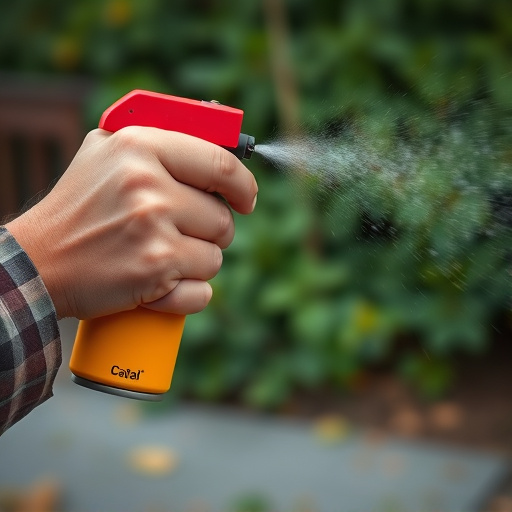
Pepper spray, using capsaicin from chili peppers, temporarily disables attackers but effects vary. Safety and effectiveness rely on aiming for face and eyes, deep breathing, water rinsing, and protective gear. Proper training emphasizes respiratory relief methods to manage symptoms like coughing and chest tightness. Handling and storing canisters safely, away from children and pets, ensures readiness and maintains efficiency.
Personal security is a growing concern in today’s world, making pepper spray canisters an essential tool for self-defense. Understanding the active ingredients and their effects on the body is crucial. This article explores the inner workings of pepper spray, focusing on respiratory relief techniques when exposed to ensure safety. Additionally, it provides best practices for handling and storing canisters responsibly. Learn effective methods to manage potential risks and stay protected with these comprehensive pepper spray respiratory relief methods.
- Understanding Pepper Spray: Ingredients and Effects
- Respiratory Relief Techniques During Exposure
- Safe Handling and Storage Practices for Canisters
Understanding Pepper Spray: Ingredients and Effects
Pepper spray, a powerful personal security tool, is designed to disable and deter attackers temporarily. Its primary active ingredient is capsaicin, a chemical derived from chili peppers. When sprayed, capsaicin irritates the eyes, nose, throat, and skin, causing temporary blindness, difficulty breathing, and intense pain. This disruption can give users valuable time to escape or seek help.
Understanding how pepper spray works is crucial for knowing respiratory relief methods. The effects can vary depending on factors like distance, wind direction, and the amount sprayed. Users should aim for the face and eyes, as these areas are most sensitive. After exposure, immediate steps include deep breathing exercises and rinsing the affected area with water to alleviate symptoms. Proper training in pepper spray use ensures individuals know how to deploy it effectively while minimizing off-target effects, which can be mitigated by wearing protective gear like gloves and clothing that covers the skin.
Respiratory Relief Techniques During Exposure
When using a pepper spray canister, it’s crucial to understand that proper respiratory relief techniques can make all the difference in managing exposure. The first step is to take deep, controlled breaths immediately upon contact with irritants. Inhaling slowly through your nose and exhaling steadily through your mouth helps to flush out any irritants while maintaining oxygen levels. This simple yet effective method can alleviate symptoms like coughing, chest tightness, and difficulty breathing.
Additionally, creating a barrier between yourself and the irritant is vital. One technique involves cupping your hands around your face and nose, forming a protective shield. This physical block reduces direct contact with pepper spray particles, providing some respiratory relief while allowing you to maintain visibility. It’s important to practice these respiratory relief methods beforehand to ensure their effectiveness in high-stress situations.
Safe Handling and Storage Practices for Canisters
Proper handling and storage are paramount for ensuring the safety and effectiveness of a pepper spray canister. Always keep the canister out of reach of children and pets, storing it in a secure location that cannot be easily accessed by others. In case of accidental discharge, ensure immediate respiratory relief methods are available; this includes having nearby eye wash stations or solution to mitigate any irritation.
When handling the canister, avoid direct contact with the spray nozzle, as contaminants can affect its performance. Store the device in a cool, dry place, away from direct sunlight and heat sources. Additionally, regularly inspect the canister for any signs of damage or leakage, replacing it if necessary to maintain optimal functionality.
Personal security inflammatory spray canisters, commonly known as pepper spray, offer a powerful tool for self-defense. By understanding the ingredients and effects of pepper spray, practicing respiratory relief techniques during exposure, and adhering to safe handling and storage practices, you can ensure its effectiveness in emergency situations. Remember, proper knowledge and preparation are key to staying safe. Incorporating these Pepper Spray Respiratory Relief Methods into your personal security arsenal can provide peace of mind and enhanced protection.