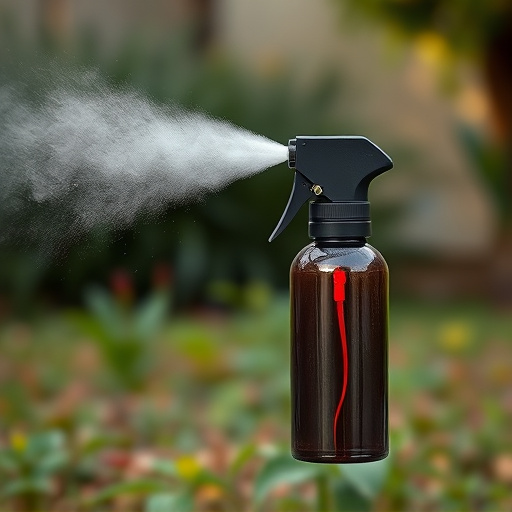
Understanding pepper spray's primary ingredient, capsaicin, is key to developing effective respiratory relief methods. When inhaled, it causes irritation and temporary blindness, offering valuable escape time. Relief techniques include moving to fresh air, irrigating eyes with water, breathing through the nose, using cold compresses, and neutralizing agents like eye wash. These measures aim to quickly flush irritants and soothe inflamed areas.
In today’s world, personal protection devices like pepper spray are essential tools for safety. Understanding the chemical irritants within these devices is crucial for effective deployment and subsequent respiratory relief methods. This article delves into the science behind pepper spray, exploring its composition and powerful effects on the respiratory system. Additionally, it provides practical guidance on quick and effective respiratory relief techniques to ensure users stay safe after exposure. Key focus: pepper spray respiratory relief methods.
- Understanding Chemical Irritants: Their Role in Personal Protection
- Pepper Spray: Composition and Effects on the Respiratory System
- Effective Respiratory Relief Methods for Pepper Spray Exposure
Understanding Chemical Irritants: Their Role in Personal Protection
Understanding Chemical irritants is crucial for personal protection devices, especially those designed to offer respiratory relief. These substances are specifically chosen for their ability to cause irritation or discomfort when encountered by the eyes, skin, or respiratory system. In the case of pepper spray, a common respiratory protection tool, the primary active ingredient, capsaicin, triggers a chain reaction in the body, leading to temporary yet effective neutralization of threats.
When deployed, chemical irritants create a barrier against potential hazards. Pepper spray, for instance, not only disrupts an attacker’s vision but also inflames the respiratory tract, making it challenging for them to breathe or pursue the victim. This simple yet powerful mechanism provides individuals with crucial time to escape dangerous situations, highlighting the significance of understanding and utilizing chemical irritants effectively in personal protection strategies, particularly when seeking respiratory relief methods.
Pepper Spray: Composition and Effects on the Respiratory System
Pepper spray, a common personal protection device, is a powerful chemical irritant designed to disrupt and disable an assailant temporarily. Its primary active ingredient is capsaicin, the same compound responsible for the heat sensation in chili peppers. This substance triggers a cascade of physiological responses when inhaled by the target.
Upon contact with the respiratory system, pepper spray causes severe irritation leading to coughing, difficulty breathing, and even temporary blindness. The effects can last for several minutes, providing users with crucial time to escape or deter an attacker. Despite its effectiveness, it’s essential to understand that there are specific respiratory relief methods employed to mitigate the aftermath of exposure. These include moving to an area with clean air, removing contaminated clothing, and using eye wash or water to flush out any residual spray from the eyes and face.
Effective Respiratory Relief Methods for Pepper Spray Exposure
In the event of exposure to pepper spray, quick and effective respiratory relief methods are crucial for mitigating the intense irritation and discomfort caused by the chemical irritants. The primary goal is to flush out the affected area as swiftly as possible. One recommended approach involves moving to a location with fresh air, preferably an outdoor space, to avoid inhalation of residual pepper spray particles.
Multiple Pepper Spray Respiratory Relief Methods can be employed. These include using water to irrigate the eyes and face, ensuring the affected individual breathes through their nose rather than mouth to filter out irritants, and applying a cold compress to soothe inflamed areas. Additionally, neutralizing agents like eye wash stations or specialized decontaminant sprays designed for pepper spray exposure can significantly alleviate symptoms and promote faster recovery.
Chemical irritants, particularly pepper spray, play a critical role in personal protection devices. By understanding their composition and effects, especially on the respiratory system, we can better prepare for and manage exposure. Knowing effective respiratory relief methods is paramount to ensuring safety and minimizing discomfort during encounters with these powerful substances. Implement these Pepper Spray Respiratory Relief Methods to stay protected and prepared.